When gauging the health of a real estate market, it’s tempting to focus on transacted values, and valuation and market prices. But to determine the resiliency of a location, and the potential for returns on investment, there are indicators beyond transacted values and supply and demand that should be factored into your calculus.
People tend to zero in on pricing, but there are other factors to consider in order to make a smart investment.
Real estate markets in Penang have suffered from an excess of supply and a decline in sales. There is a recent uptick in property sales not because of an increase in demand but due to sellers lowering prices to more realistic levels.
To get a more holistic picture of the state of local markets—and avoid being misled about its long-term prospects—investors should perhaps turn to other factors, like supply, infrastructure and cultural attractions and the strength of the economy.
A Balanced Supply
When you’re looking at the health of markets, you want to see balanced supply of properties.
Recently, luxury markets have been struggling with excess supply, and buyers seeking deals at the high end are finding softness at the top of markets—that is, an increase in discounts. We found supply rising and the absorption rate slowing for Penang luxury real estate.
A tremendous amount of product has been built over the last four to five years, and the steady pattern is that properties are significantly overpriced, well above what market conditions dictate.
The outcome is that high-end listings languish for longer periods of time—until sellers come down in price. But an uptick in transactions as sellers offer discounts to buyers does not necessarily indicate that a market is improving. Rather, this can be seen as evidence that buyers have been patient and sellers are now pricing their homes more realistically.
However, the oversupply trend may be changing, and certain markets are evergreen in their potential for delivering high returns on investments.
People may have concerns about buying at the top of the market, but if you can afford something by the sea, you can’t really go wrong buying it. And you can’t go wrong in investing in a place with a great view–that’s hard to replicate.
Buyers should also focus on the inventory of specific neighbourhoods to get a fuller picture of the health of the market, as this can vary from one area to another within cities.
Property supply is slim in George Town because we’re not building anymore in the UNESCO City due to land scarcity and development restrictions. For neighbourhoods with the potential to offer strong returns on investment, then, look toward markets with a limited amount of space for new development.
Locations That Draw in Both Tenants and Long-Term Investors
Given a trend toward urbanisation around, locations that offer walkability and plentiful transportation and entertainment options, are strong bets for investors—particularly those who will rent out their properties.
For younger as well as golden year tenants, being close to malls, restaurants, bars, and cafes is very important. Markets that offer all these attractive features are George Town, Gurney, Tanjung Tokong, Tanjung Bungah, and areas around Queensbay Mall.
Local infrastructure should be another major consideration as investors want to see that a market has kept up with the times.
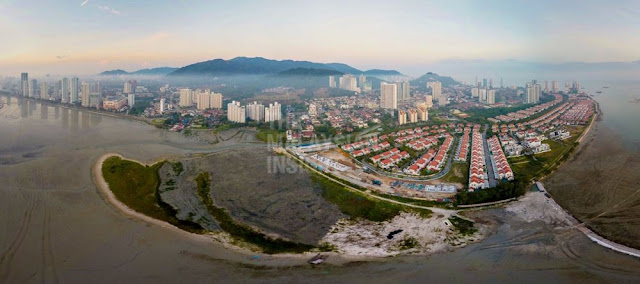
This is illustrated by the new interest in a number of areas in Penang, sparked by the strength of infrastructure. Seri Tanjung Pinang for instance, has received funding to build more roads to more reclamation work, where the Penang Undersea Tunnel will be constructed to connect Butterworth, Seberang Perai in the east to George Town, Penang island in the west, prioritising infrastructure to support a high quality of life, attracting newcomers.
Soft infrastructure, too—like the availability of quality healthcare and education services—is also crucial to many buyers, particularly those from overseas. Penang, for instance, as a real estate market that is particularly hot, due in large part to its respected international schools and education system.
There is a variety of freehold properties available on Penang island, it is crucial to take time to consider all the options and your needs to suit the lifestyle you are expecting for you and your family.
There are also the intangibles, like a strong sense of community. Many investors, just want a fabulous place to live. They want to see that the culture and community is strong, and they’re able to drop in and know the people there - considering what life is like during the off-season, and whether the location draws visitors year-round.
A Strong Local Economy
Buyers should take a broad view of a market’s economy to gauge an investment property’s potential for appreciation. A diversified economy is helpful in that the market area is not subject to one specific industry that can rise and fall.
Population growth is also a reliable indicator of a strengthening local economy. Buyers should investigate the number of people moving into a city and where consumer demand is coming from. Consider, too, which markets are drawing newcomers not just domestically, but from around the globe, another good indicator of that area’s long-term stability.
Residency and Tax Issues
Taxation may impact the calculus of would-be buyers as they gauge the health of markets. It is something to consider for an investment in a vacation or retirement home. Some countries make it easier for investors to gain permanent residency status, which can help ease the bite of taxes.
Malaysia offers a “10 year renewable visa” that fast-tracks the process of getting a residency permit—and the ability to travel more freely throughout Asia—to foreign buyers.
Besides these more concrete indicators, whether a market is the right fit for a buyer will come down to what they’re seeking from an investment there.
Whether you are buying, selling, or just plain interested in real estate, connect with Penang Property Angel today for professional assistance.

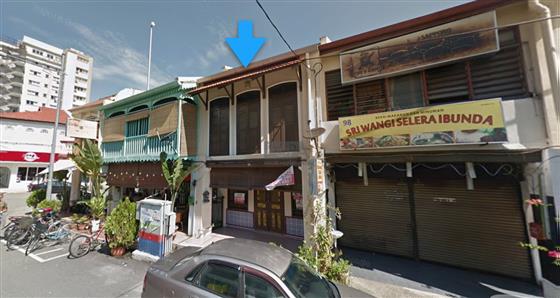 Pictured is a beautifully refurbished pre-war heritage shophouse located on Muntri Street in George Town UNESCO City >>more
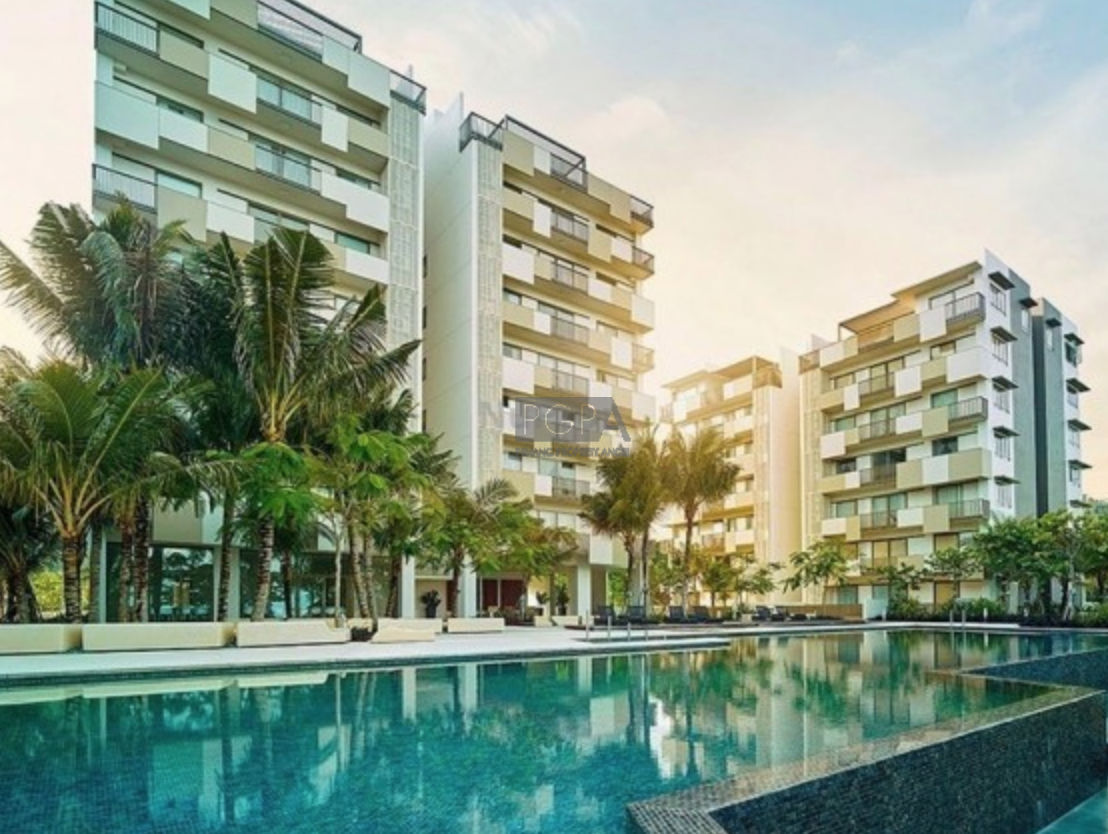
 Set in Exclusivity - 11 Brook Residences, magnificently dotting the enclave of the exclusive Jesselton Park and set amidst the lush greenery of Mother Nature, offer a picturesque yet comfortable retreat away from the hustle and bustle of the city >>more
 Alila Homes, a freehold 3-storey terrace villa estate within a gated and guarded community located at Tanjung Bungah >> more